Navigating Global Certifications for Lithium Batteries: CE, UL, UN38.3 & More – A Guide for Exporters to Africa & Asia
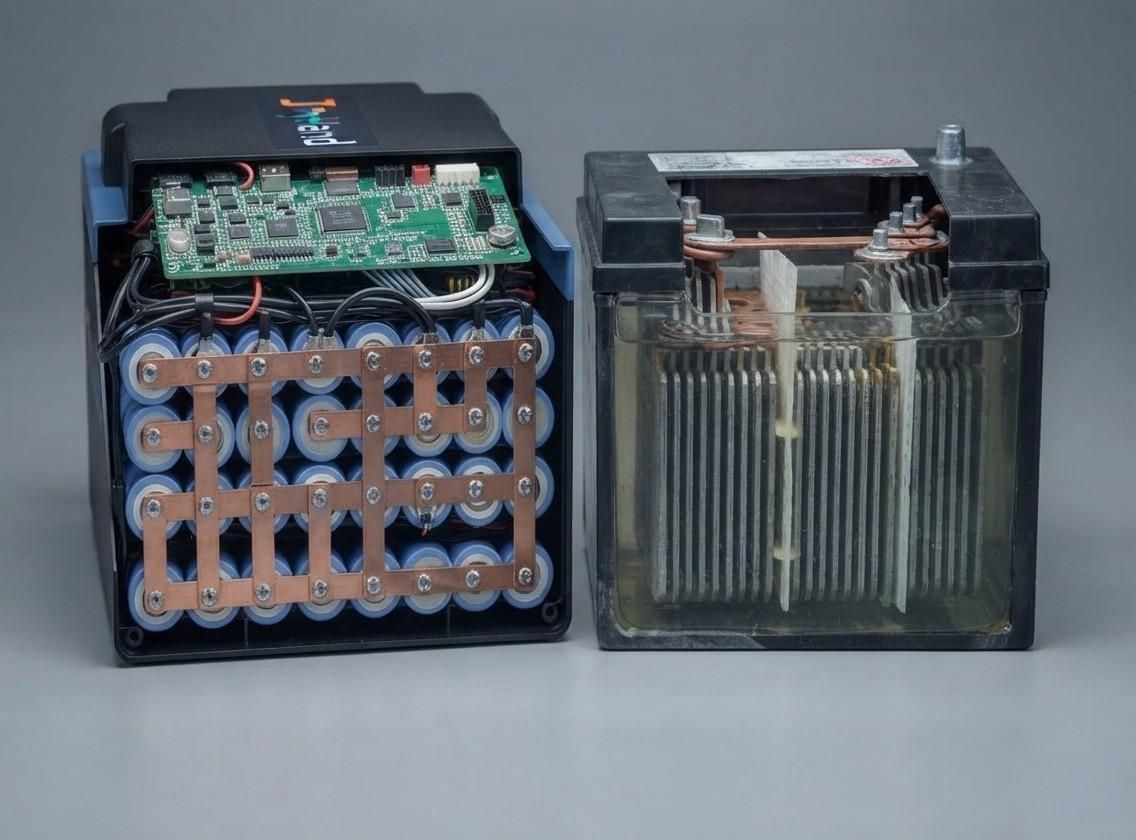
Summary: Exporting lithium batteries requires compliance with a complex set of regulations. This guide explains the key certifications and how JoyHand ensures every product meets international standards – helping importers in Nigeria, Kenya, and Bangladesh clear customs smoothly.
For any manufacturer or distributor of lithium batteries, navigating the web of global certifications is a critical part of market entry – especially for shipments to Africa and South Asia. Certifications are not just bureaucratic hurdles; they ensure safety, reliability, and legal compliance at the port of entry.
CE Marking
Required for products sold in the European Economic Area. It indicates compliance with EU safety, health, and environmental protection standards. For battery systems, this includes electromagnetic compatibility (EMC) and low voltage directives. JoyHand ensures all standard products meet CE requirements and can assist with documentation for custom projects.
UL Certification
In North America, UL 1973 and UL 9540 are the gold standards for stationary storage and battery systems. Our manufacturing processes and design are UL‑compliant, and we work with accredited labs to test new designs before mass production.
UN38.3
This is the United Nations standard for transport of lithium batteries. It involves a series of tests – altitude simulation, thermal cycling, vibration, shock, external short circuit, and impact/overcharge. Every shipment from JoyHand complies with UN38.3 test standards, ensuring safe transport by air or sea.
IEC 62109
For solar inverters and power electronics, this standard covers safety requirements. Our inverter production line operates according to these standards, and we can provide testing documentation for each product.
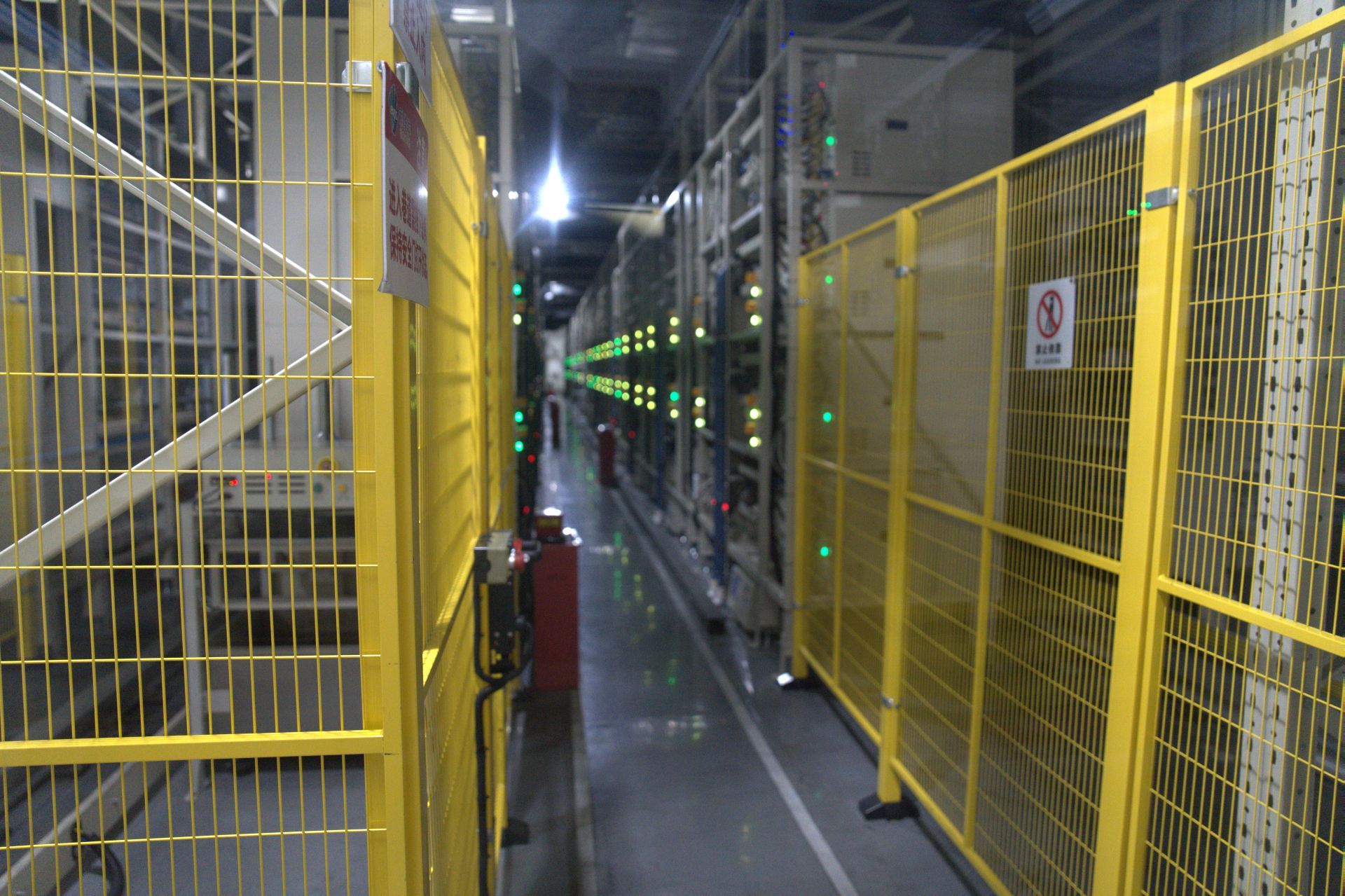
Having a manufacturing partner that already ensures compliance with these standards significantly reduces time‑to‑market for distributors. We can also help clients navigate country‑specific requirements, such as PSE in Japan or KC in Korea, ensuring that your products reach global customers without delays.